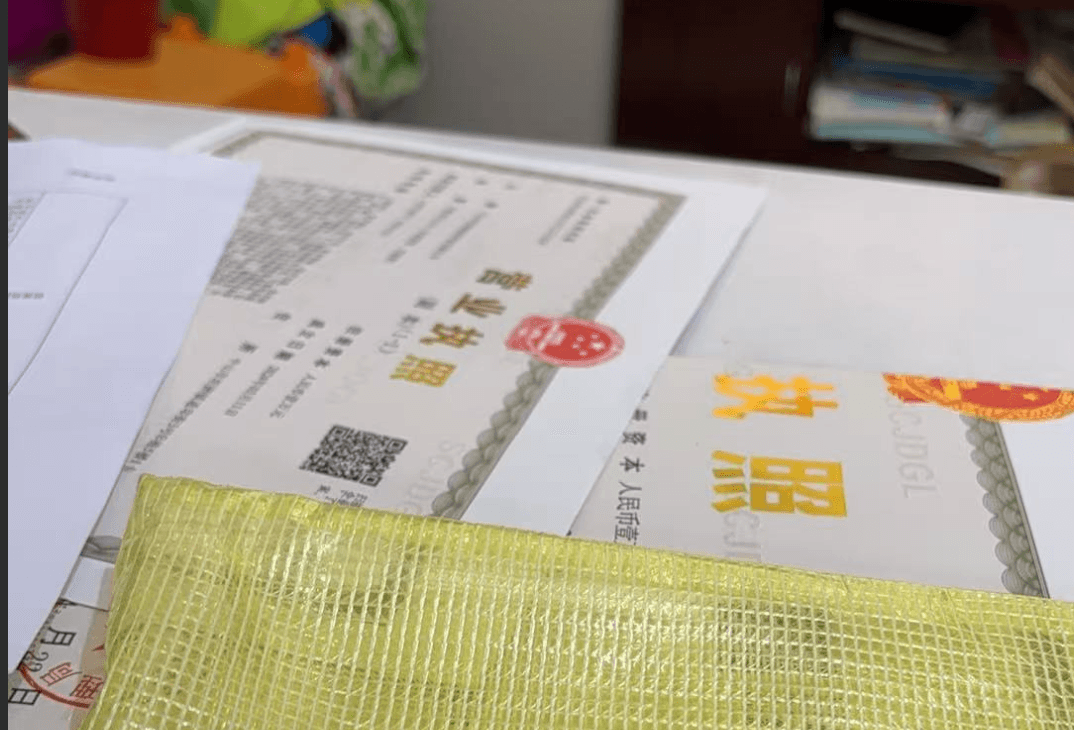
Company Registration in China 2026: How to Avoid Compliance Pitfalls
Company registration in China in 2026 demands strict compliance and biometric verification. Learn how to avoid frozen funds and open an account on your first attempt.
 Михаил Ансимов3 min read
The era of "gray" schemes and nominee directors officially ended back in 2025. While registering a company in China once felt like buying a lottery ticket, today it's a rigid digital filter. The Social Credit System (社会信用体系 — Shèhuì xìnyòng tǐxì) and mandatory biometric verification make it impossible to launch a business "on the fly."
Realities of 2026: Why the Old Methods No Longer Work
Today, setting up a WFOE (Wholly Foreign Owned Enterprise) isn't about filling out forms; it's about passing through a biometric sieve.
Chinese banks and regulators (SAMR) now require in-person presence or verification through government mini-programs with facial recognition.
Any attempt to hide a beneficiary or use a mass registration address in a "rubber stamp" office in the Futian district (Shenzhen Futian) leads to an immediate block.
Digital Oversight and Social Credit
Your business case is being analyzed even before you submit documents. The system reviews the founders' backgrounds, the traceability of capital, and even your past visits to China. If the algorithm flags any doubts, you'll receive a "red flag" in the compliance system that's nearly impossible to overturn.
Step-by-Step Compliance Roadmap: How to Navigate Without Losses
The process begins with "He Ming" (核名 — Hé míng) — preliminary name approval. In 2026, this has become more difficult due to the sheer volume of registered trademarks, so prepare at least 5–10 name options. Next comes the capital injection stage, where many make a fatal error by confusing registered capital with operating expenses.
The "Chicken-and-Egg" Problem of Opening a Bank Account
The biggest pain point in 2026: banks require the director to have a residence permit to open an account, while immigration authorities require an active business to issue the permit. This creates a vicious cycle that burns through newcomers' budgets. The solution lies either in bank guarantees from the parent company or through special regimes at ICBC or Bank of China branches in free-trade zones.
Business Model Comparison: WFOE vs. Joint Venture (JV)
To understand liability and tax burdens in 2026, review this table. It will help you choose the structure that protects your assets rather than creating new problems.
What Registrars Won't Tell You: The Hidden Truth About Timelines and AML
If anyone promises you "a company in China in 15 days" — walk away immediately; you're dealing with amateurs. The official registration period with the SAMR can indeed be short. However, the actual business launch takes 3 to 6 months due to stringent AML (Anti-Money Laundering) checks.
Funds Freeze: The Cost of a Single Code Error
One of my clients listed "Consulting" as their business activity code but started processing payments for electronics supply through a bank in the Jing'an district (Shanghai Jing'an). The result: 2.5 million yuan frozen for six months pending investigation. The bank deemed it an attempt to bypass currency controls, and no connections could speed up the unfreezing process.
Checklist: 7 Documents for Successful Compliance
Without this set of documents in 2026, you won't even pass the initial bank screening. Think of this as your ticket to an exclusive club where any mistake means rejection.
- Legalized Founder's Passport (with translation and consulate stamp).
- Detailed 3-Year Business Plan (in Chinese, with staffing justification).
- Certificate of No Criminal Record (mandatory for most provinces).
- Lease Agreement in a "White" Business Center (with the landlord's code in the registry).
- Bank Reference Letter from your home bank (dated within the last 30 days).
- List of Ultimate Beneficial Owners (UBO) with proof of income legitimacy.
- Photo/Video Verification of the Director (through official bank channels).
Legalizing a business in China is a long game, where a single mistake can cost tens of thousands of dollars and end with a ban on entry. If you don't want your capital stuck in KYC limbo, prepare the groundwork in advance.