Do You Need to Travel to China to See a Supplier?
I keep seeing the same situation: the supplier is already found, the emails are flowing, the price seems clear — and then the client asks whether they need to travel to China to see a supplier in person, or whether everything can be handled remotely. And that’s exactly when I always ask them not to look at the trip budget alone. The real question is what you want to verify with a face-to-face meeting: the person, the factory, the sample, the timeline, or your own risk. Sometimes a flight really saves the deal. Sometimes it only eats up time and changes nothing. Do you need to travel to China to see a supplier? That is the question I would not answer on instinct. I would look at the task, the risk, and the result you actually need.
 Mikhail Ansimov9 min read
When a Trip to China Really Makes Sense
A trip is especially useful when you are entering a project for the first time. On paper, all suppliers look the same: they reply quickly, promise quality, and send polished presentations. But once you are there, you immediately see how the person negotiates, whether the factory is actually ready to work with your request, and whether there is real production or you are dealing with an intermediary. That is not magic — it is just basic common-sense checking.
If I were making this decision on your behalf, I would start with one uncomfortable question: what do you lose if you do not go? If the answer is “not much,” the trip may be unnecessary. If the answer is “a mistake will be expensive,” then the ticket starts to look much more sensible.
FAQ
Here are the questions I hear most often when clients are deciding whether to travel to China to meet a supplier. My answers are practical, not romantic: I look at risk, task, and control.
A trip is especially useful when you are entering a project for the first time. On paper, all suppliers look the same: they reply quickly, promise quality, and send polished presentations. But once you are there, you immediately see how the person negotiates, whether the factory is actually ready to work with your request, and whether there is real production or you are dealing with an intermediary. That is not magic — it is just basic common-sense checking.
First Deal With a New Supplier
But there is a nuance. If the product is simple, the amount is small, and the supplier has already been on the market for a long time and provides clear documents, you can limit yourself to remote verification and negotiation support. In that case, a trip is not mandatory. I would compare risks rather than emotions: what costs more — one visit, or a mistake in the first batch?
- First, check whether this is a one-off contact or the start of a long-term supply chain.
- Then compare the cost of travel with the cost of a likely mistake.
- Look at the paperwork, not just the promises.
- If the supplier resists basic transparency, I would not treat that as a good sign.
But there is a nuance. If the product is simple, the amount is small, and the supplier has already been on the market for a long time and provides clear documents, you can limit yourself to remote verification and negotiation support. In that case, a trip is not mandatory. I would compare risks rather than emotions: what costs more — one visit, or a mistake in the first batch?
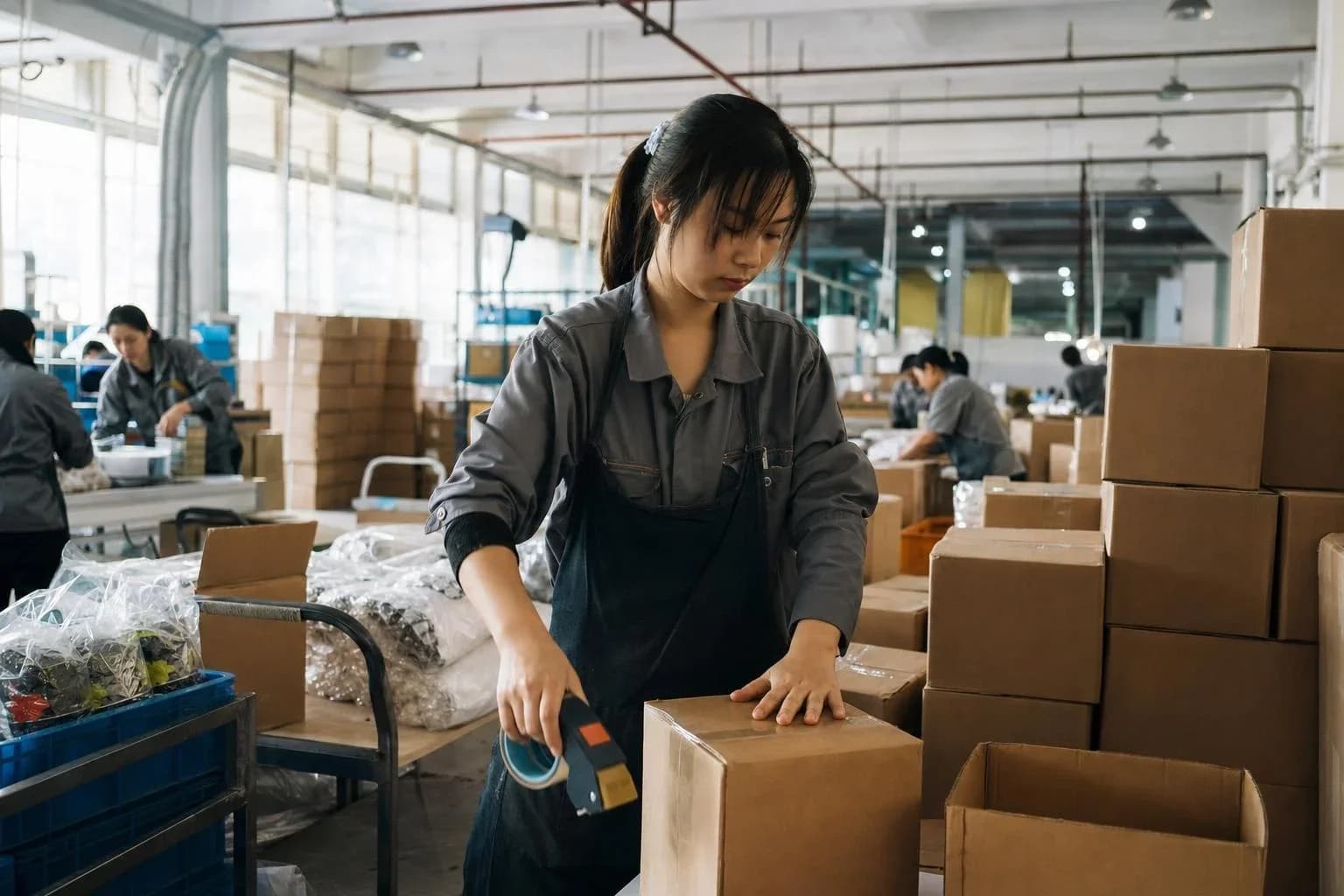
In projects like these, I would not stop at meeting in the office alone. It is important to see what the factory really has: production, warehouse, quality control, workload, and order in the paperwork. Sometimes one day on site saves more than a long exchange of messages after shipment.
Large Orders and Complex Products
In projects like these, I would not stop at meeting in the office alone. It is important to see what the factory really has: production, warehouse, quality control, workload, and order in the paperwork. Sometimes one day on site saves more than a long exchange of messages after shipment.
This is where I disagree with the idea that a nice chat and a clean presentation are enough. They are not. For a serious order, I want to understand how the factory actually works, not how it looks in a message thread. If you cannot verify capacity and control, you are buying confidence, not production.
- See the production area, not just the reception desk.
- Check whether the warehouse and paperwork match the story you were told.
- Ask how quality is controlled in practice.
- Pay attention to whether the factory can really handle your volume and timing.
Even here, I do not romanticize the trip. If you do not have a clear position on defects, photos, specifications, and agreements, one visit will not solve the problem by itself. First you need to gather the facts, then go into negotiations. On site, I would work not emotionally, but from a checklist: where the deviation is, how it is confirmed, what exactly needs to be corrected, who will do it, and how you will control the result.
But if the factory is already missing deadlines, your trip alone will not create spare capacity. Here it is important to honestly understand where the bottleneck is: communication, the production queue, raw materials, or the seller’s promises. I always advise not to confuse “showing up” with “speeding things up.” Those are not the same thing.
Quality Disputes and Delays
Even here, I do not romanticize the trip. If you do not have a clear position on defects, photos, specifications, and agreements, one visit will not solve the problem by itself. First you need to gather the facts, then go into negotiations. On site, I would work not emotionally, but from a checklist: where the deviation is, how it is confirmed, what exactly needs to be corrected, who will do it, and how you will control the result.
But if the factory is already missing deadlines, your trip alone will not create spare capacity. Here it is important to honestly understand where the bottleneck is: communication, the production queue, raw materials, or the seller’s promises. I always advise not to confuse “showing up” with “speeding things up.” Those are not the same thing.
- Collect photos, specifications, and the original agreement first.
- Separate the defect itself from emotions around the defect.
- Define what must be corrected and who is responsible.
- Set a way to verify the result before you leave the table.
Remote support is especially sensible when you need to make a quick decision and do not want to spend budget on flights, accommodation, and travel time. But then you must not save on control. If you are not flying yourself, someone has to cover the on-site check: a translator, an inspector, a trusted representative, or a business support specialist. Otherwise, you are simply moving the risk from the trip onto hope.
My practical conclusion is simple: you should travel to China not out of curiosity and not just to tick a box, but when your presence changes the quality of the decision. I do not agree with the “fly in for everything” approach — it creates unnecessary expenses. But I also do not agree with the position that “everything can be solved in chat.” In China, a lot is resolved in negotiations, and negotiations work best with live contact.
When Remote Support Is Enough
Remote support is especially sensible when you need to make a quick decision and do not want to spend budget on flights, accommodation, and travel time. But then you must not save on control. If you are not flying yourself, someone has to cover the on-site check: a translator, an inspector, a trusted representative, or a business support specialist. Otherwise, you are simply moving the risk from the trip onto hope.
That is the part many people miss. They skip the flight and think they have saved money, but in reality they may have only moved the problem elsewhere. If the task is clear and the control is professional, remote work is not a compromise. It is a normal tool.
- Use remote support only if someone is actually checking the supplier on the ground.
- Do not rely on chat alone when the risk is high.
- Make sure the person on site knows what they are checking and why.
- Keep the criteria for acceptance clear before shipment starts.
Before buying a ticket, I recommend going through a quick checklist. It helps you look at the task soberly and avoid overpaying for an impulsive decision.
- Is this your first deal, or is the supplier already a working partner?
- Is there a risk of defects, missed deadlines, or a dispute over terms?
- Do you need to see the factory, not just the seller’s office?
- Can the issue be handled through a translator, inspection, or remote support?
- What will you lose if you do not go in person?
- What will you lose if you go, but the meeting changes nothing?
My Rule for Deciding Whether to Go
My practical conclusion is simple: you should travel to China not out of curiosity and not just to tick a box, but when your presence changes the quality of the decision. I do not agree with the “fly in for everything” approach — it creates unnecessary expenses. But I also do not agree with the position that “everything can be solved in chat.” In China, a lot is resolved in negotiations, and negotiations work best with live contact.
Before buying a ticket, I recommend going through a quick checklist. It helps you look at the task soberly and avoid overpaying for an impulsive decision.
- Is this your first deal, or is the supplier already a working partner?
- Is there a risk of defects, missed deadlines, or a dispute over terms?
- Do you need to see the factory, not just the seller’s office?
- Can the issue be handled through a translator, inspection, or remote support?
- What will you lose if you do not go in person?
- What will you lose if you go, but the meeting changes nothing?
In short, a personal trip to China is not always necessary, but in key scenarios it seriously reduces risk: a first deal, a large batch, a new factory, a quality dispute, or an urgent order. In other cases, remote support is often enough — if it is organized professionally. I am for a clear-headed approach: do not fly where the task can be solved another way, and do not save on the trip where the cost of a mistake is higher than the ticket. If you want, I can help assess your case and figure out whether the trip is necessary for you — message me or book a consultation.
FAQ
Do I need to travel to China to see a supplier if they already sent samples?
Not necessarily. But if this is your first deal, the volume is large, or the product is complex, a face-to-face meeting helps you check the factory and whether they are truly ready to work with your order.
When is it absolutely necessary to go to a factory in China?
When you want to verify real production, discuss a large batch, resolve a quality dispute, or enter a project with a high risk of error.
Can I get by without a trip if the supplier is reliable?
Yes, if the deal is repeat business, the specification is clear, and the task can be handled through a translator, inspection, and remote support.
What matters more: a personal meeting or checking the factory?
It depends on the task. A meeting matters for negotiations and trust, while checking the factory matters for understanding real production capabilities.
How do I know a trip to China will not bring results?
If you do not have a clear goal, questions for the supplier, and criteria for checking, the trip may not pay off. In that case, it is better to prepare the negotiations and documents first.
- #China
- #suppliers
- #negotiations
- #inspection
- #business trip