Mistakes When Ordering Goods from China: 5 Causes of Defects
Most often I see the same picture: the buyer is sure the problem is a “bad factory,” but in reality defects show up because of mistakes when ordering goods from China on the buyer’s side. Somewhere the sample was not agreed in full, somewhere inspection was saved on, somewhere important details were left to chat messages without proper confirmation. And then the search for someone to blame starts instead of a proper check of the chain: what exactly was ordered, how it was confirmed, and who controlled shipment.
 Mikhail Ansimov7 min read
Why defects are often not an accident, but the result of the process
When people ask me why defective goods arrive from China, I always ask them to look not only at the product itself, but at the whole ordering path. Defects rarely appear out of nowhere. They are usually preceded by a vague technical brief, weak communication, no sample, wrong expectations about quality, or complete trust in words without supporting materials. My position is simple: if quality criteria are not fixed at the start, you will almost always end up with a disputed batch. And later there will be nothing to argue about — each side will have its own version. So the buyer’s job is not just to buy cheaper, but to build clear control: from the technical brief to inspection before shipment.
Mistake 1. Ordering without a clear technical brief
The most common problem is that the client describes the product in general terms: “need it to be good,” “make it like in the photo,” “like a competitor’s.” For production, that is too vague. The factory can make something visually similar, but with a different material thickness, different fittings, different packaging, or a different level of assembly. If I were in your place, I would fix the dimensions, materials, color, packaging type, labeling requirements, acceptable tolerances, and the external defects that are critical for you. If there is a reference, it should not just be shown — it should be broken down in detail. Otherwise you get interpretation, not the result you wanted.
Mistake 2. Thinking photos in chat replace a sample check
Photos and videos are useful, but they do not replace a physical sample. On screen, the product may look great, while in reality it may have weak seams, looseness, scratches, uneven assembly, or an unpleasant material smell. The screen does not always show what later becomes the reason for a whole batch return. If the product matters for sales, the sample must be checked by hand. Not with the mindset of “seems fine,” but by criteria: appearance, functionality, packaging, labeling, size, and комплектation. Only after that can you move forward. That is what proper goods quality inspection in China looks like, not endless messaging for the sake of messaging.
A practical checklist before shipment
If I had to make this process less messy, I would turn the checks into a short checklist and use it every time. Not because paperwork is exciting — it is not — but because this is where defects usually get caught before they become your problem. My rule is simple: the moment something is unclear, I stop and ask for confirmation. That is faster than arguing later about who understood what.
- Does the final sample match the agreed version?
- Are packaging and labeling requirements written down?
- Have tolerances and critical defects been agreed?
- Is there a pre-shipment inspection in place?
- Who gives the final approval for the batch?
Mistake 3. Not agreeing on tolerances and quality checkpoints
Many buyers expect defects to be obvious without explanation. In practice, that is not how it works. The same defect may be critical for one client and acceptable for another. If you do not say in advance what counts as a defect, the factory will follow its own internal standards, and they may differ sharply from yours. That is why checkpoints matter: what is checked before production starts, what is checked during production, what is checked before packing, and what is checked before shipment. I always recommend separating external defects, functional problems, and packing mistakes. That makes the inspector’s work easier and helps the buyer make a decision without эмоции.
Mistake 4. Saving on pre-shipment inspection
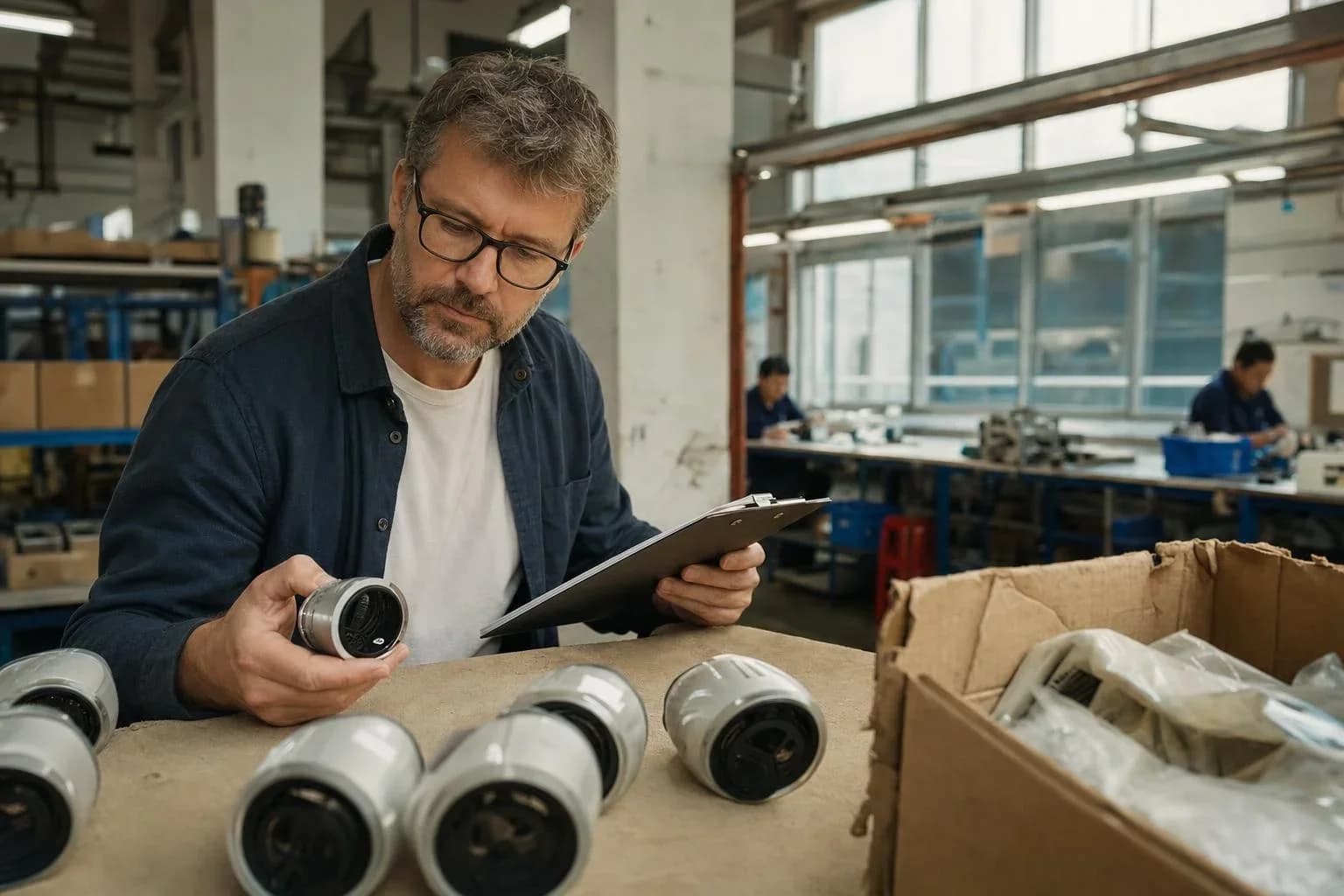
If the batch is almost ready and there is no inspection, you are essentially signing off on an unknown result. This is especially dangerous when the goods are made under your own brand, sent to marketplaces, or must meet strict appearance requirements. In such cases, fixing defects after shipment is more expensive than stopping them before dispatch. A conditional example: a client is sent a batch where part of the boxes are assembled neatly, while another part has misalignment and damaged corners. You can barely see that on the supplier’s photos. But during inspection, those issues appear immediately. That is exactly why goods inspection in China exists — to see the real batch, not just a promise in words.
Mistake 5. Trusting only one communication channel and not recording agreements
When all agreements live only in verbal chat, nobody later remembers what exactly was confirmed. The manager writes one thing, the factory does another, the buyer expected a third. And in the end, everyone is sure they are right. What must be recorded without fail: - the final sample and how it differs from the mass-produced product; - packaging and labeling requirements; - the list of critical defects; - the sampling parameters for inspection; - who makes the decision on the batch if defects are found. I do not like chaotic communication. It almost always costs more than proper document preparation and clear photo/video confirmation.
How I would set up the process to reduce the risk of defects
If the goal is how to avoid defects when importing from China, I would not start with price. I would start with control. The more complex the product, the more important it is to check the entire chain in advance. This matters especially if you are working with a new supplier for the first time or ordering products where appearance and assembly are critical for sales. A practical sequence is this: first the technical brief, then the sample, then agreement on photos and videos, and only after that the pre-shipment inspection. If there is doubt at any stage, it is better to stop right there. Fixing a problem at the factory is almost always easier than dealing with returns, claims, and lost sales.
What to look for in real defect photos and videos
When you receive materials from the factory or from an inspector, do not stop at the overall impression. Look at what actually affects batch acceptance. A nice video without details proves nothing. I usually recommend paying attention to these signs: - scratches, chips, misalignment, stains, deformations; - mismatch in color, size, or комплектation; - weak assembly, looseness, crooked seams, uneven joints; - packaging damage and labeling errors; - repetition of the defect: is it one case or a systemic problem. That repetition is the important signal. One defect can be fixed, but a systemic defect points to a problem in the production process.
Conclusion: it is easier to prevent defects than to explain them to a client later
My conclusion here is blunt, but honest: most defect problems start not at the factory, but earlier — at the moment when the buyer decides not to clarify the details and not to check the batch properly. If you want to work with China calmly, you need control, not optimism. I do not agree with the approach of “let’s order first and then see.” In importing, that is exactly how losses are created. It is better to understand in advance where your weak point is: in the brief, the sample, the communication, or the inspection before shipment. If you want a clear view of the batch and help with goods inspection in China, write to me in private or book a consultation. And subscribe to the blog — I regularly break down these mistakes without sugarcoating.
FAQ
Why does defective goods arrive from China if the supplier promised good quality?
Because a promise does not replace fixed requirements, a sample, and batch inspection. Often the problem is not in the supplier’s words, but in the fact that the quality criteria were never agreed precisely.
Is inspection necessary if the supplier is already familiar?
Yes, if stable quality, packaging, and match to the sample matter to you. Even with a familiar supplier, there may be changes in raw materials, assembly, or quality control.
Can I rely only on photos and videos from the factory?
For an initial view — yes, for batch acceptance — no. Photos and videos do not always show hidden defects, geometry issues, strength problems, or packaging quality.
What should I do if defects are found right before shipment?
Stop the shipment, document the defects with photos and videos, compare them with the agreed criteria, and decide whether the batch can be corrected on site.
What is the most important stage if I do not want defects?
The most important stage is control before shipment. But ideally, the whole chain should work: brief, sample, requirements agreement, and batch inspection.
- #China
- #defects
- #goods inspection
- #suppliers
- #import